

BLOG
How to Choose the Right Air Intake Hose for Your Vehicle: Size, Fit, and Material
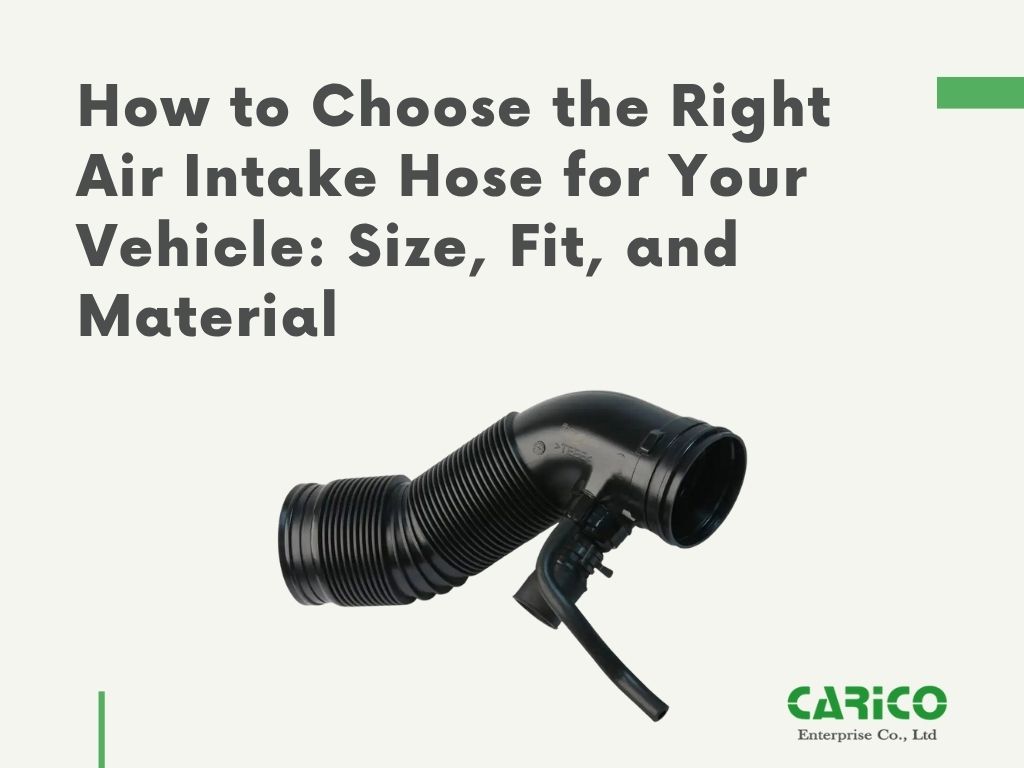
When it comes to maintaining engine performance and fuel efficiency, the air intake hose plays a vital role in your vehicle’s air delivery system. While it may seem like a simple rubber tube, choosing the wrong intake hose can lead to air leaks, poor fuel economy, and engine performance issues. Whether you're replacing a worn-out hose or upgrading components, selecting the right size, fit, and material is essential for long-term reliability.
In this article, we’ll walk you through everything you need to know when choosing the right air intake hose for your car or truck—from precise fitment to material durability.
What Does an Air Intake Hose Do?
The air intake hose serves as the conduit that delivers fresh, filtered air from the air filter box to the engine’s throttle body or intake manifold. This clean airflow is critical for the engine’s combustion process. If the hose cracks, collapses, or develops leaks, it can result in:
-
Unmetered air entering the engine (leading to incorrect air-fuel ratio)
-
Check engine light (CEL) activation
-
Rough idle or engine hesitation
-
Reduced engine power and acceleration
Replacing a faulty hose with the correct part ensures your engine runs smoothly and efficiently.
1. Measure the Right Size and Shape
One of the most important steps in choosing an air intake hose is ensuring the proper size and shape for your specific vehicle model.
Key measurements to confirm:
-
Inner diameter (ID): Must match the airbox and throttle body openings
-
Outer diameter (OD): Important if clamps or shielding are used
-
Length and curvature: Should follow the original path without bending or kinking
Most vehicle manufacturers design air intake hoses to fit precisely around various engine components. A hose that's too short or too long could restrict airflow or cause premature wear. Always verify the OEM part number or consult a trusted supplier catalog.
2. Confirm OEM Compatibility or Aftermarket Fitment
When replacing an air intake hose, you can choose:
-
OEM (Original Equipment Manufacturer) – Identical to the original hose in size and shape
-
Aftermarket replacement – More budget-friendly but must meet OEM specs
If you're sourcing hoses for multiple vehicle types, look for a supplier that provides OE-fitment guarantees or batch part matching, especially important for workshops or distributors handling different vehicle brands.
3. Choose the Right Material: Rubber, Silicone, or Plastic?
Material selection significantly affects the performance and lifespan of an air intake hose.
Common materials include:
• EPDM Rubber
-
Pros: Cost-effective, flexible, good heat resistance
-
Cons: May harden and crack over time
-
Ideal for: Standard passenger vehicles
• Silicone
-
Pros: Excellent heat and pressure resistance, durable, highly flexible
-
Cons: Higher cost
-
Ideal for: High-performance or heavy-duty applications
• Reinforced Plastic / Thermoplastics (PP, PA)
-
Pros: Lightweight, heat resistant, retains shape
-
Cons: Less flexible, can become brittle with age
-
Ideal for: Modern OEM applications or complex routing systems
When choosing material, consider:
-
Engine bay temperature
-
Flexibility requirements
-
Exposure to oil, chemicals, or road debris
4. Look for Reinforcement and Layering
A high-quality air intake hose isn’t just about the base material—it’s about its construction.
Features to look for:
-
Multi-layered walls for added strength
-
Wire or textile reinforcement to prevent collapsing under vacuum pressure
-
Molded shapes for vibration absorption and precise routing
-
Optional features like integrated clamps, heat shields, or ventilation ports
These details ensure long-term durability and reduce the risk of air leaks or performance loss.
5. Consider the Driving Environment
Your driving conditions can significantly influence hose performance:
-
Hot climates: Choose silicone hoses for superior heat tolerance
-
Cold regions: Use flexible materials that resist hardening or cracking
-
Off-road or dusty areas: Select hoses with abrasion-resistant coatings or reinforced exteriors
If your vehicle frequently carries heavy loads, tows, or drives in harsh environments, a stronger hose material and construction are crucial.
6. Installation and Maintenance Tips
Once you’ve chosen the right air intake hose:
-
Inspect connecting parts (filter box, clamps, throttle body) for cracks or dirt
-
Ensure a tight seal to prevent air leaks
-
Avoid overtightening clamps which can deform the hose
-
Regularly inspect for cracks, bulges, or contamination from oil and debris
Routine inspection during maintenance helps you detect wear early and maintain optimal engine performance.
Conclusion: Choose Smart, Drive Smooth
A reliable air intake hose is essential for consistent engine performance, fuel efficiency, and emissions control. Selecting the correct size, fit, and material ensures your vehicle continues to run smoothly without airflow issues or costly repairs.
For repair professionals, parts distributors, or automotive enthusiasts, investing in high-quality air intake hoses with proper specifications is the best way to ensure long-term engine health.
Carico provides:
-
OEM-spec and aftermarket air intake hoses
-
A wide range of air intake hoses for various vehicle brands
-
Custom manufacturing for global clients
-
ISO-certified quality control and technical support
Need help finding the perfect air intake hose for your application?
Contact Carico’s professional team today—your trusted partner in reliable, high-performance automotive components.