

BLOG
Symptoms of a Bad Air Intake Hose: Signs You Shouldn’t Ignore
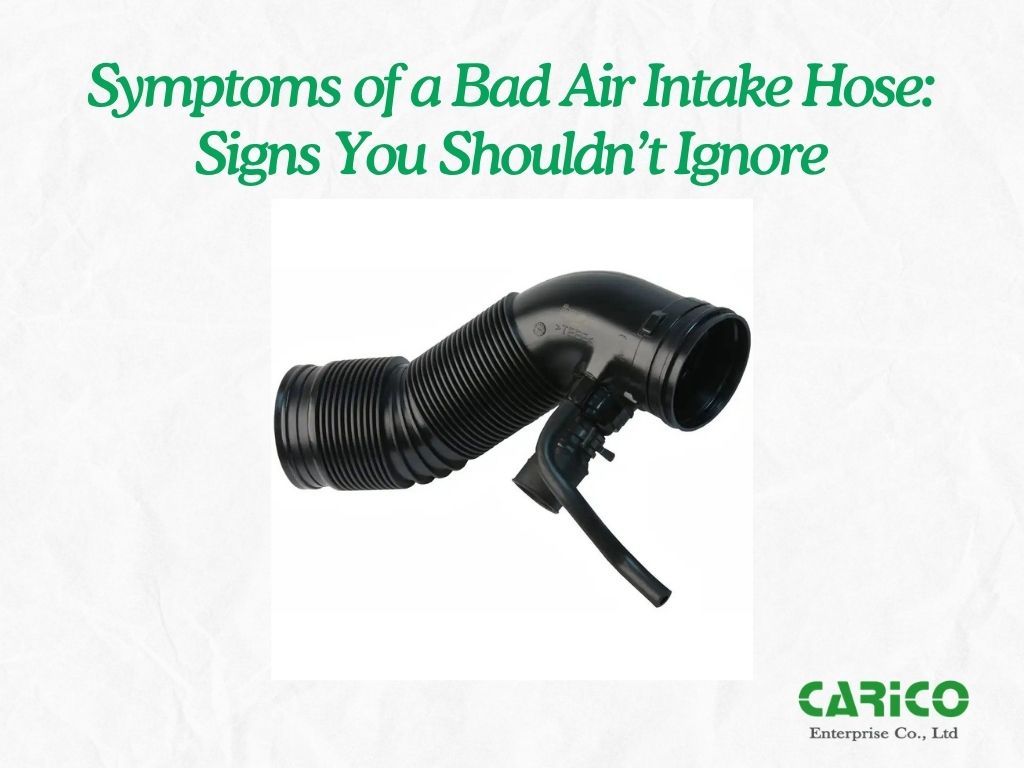
The air intake hose may seem like a simple component, but it plays a critical role in your vehicle’s engine performance and efficiency. It connects the air filter box to the throttle body or intake manifold, allowing clean air to enter the engine for proper combustion. When this hose becomes cracked, loose, or damaged, it can lead to a wide range of drivability issues.
Understanding the symptoms of a bad air intake hose can help vehicle owners, repair shops, and parts distributors identify problems early before they lead to more serious engine damage or costly repairs.
In this article, we’ll explore the most common warning signs of a failing air intake hose, what causes the damage, and why timely replacement matters.
What Does an Air Intake Hose Do?
Before discussing the symptoms, it’s important to understand the function of the air intake hose.
The air intake hose is responsible for:
-
Delivering filtered air into the engine
-
Maintaining proper airflow to support combustion
-
Helping sensors accurately measure incoming air volume
-
Supporting fuel efficiency and stable engine performance
Because the hose operates under constant heat, vibration, and pressure changes, it naturally wears over time.
1. Check Engine Light Comes On
One of the most common symptoms of a bad air intake hose is an illuminated check engine light.
Modern vehicles rely on sensors such as:
-
Mass Air Flow (MAF) sensor
-
Oxygen sensors
-
MAP sensor
If the air intake hose develops a crack or leak, unmetered air can enter the system, causing incorrect air-fuel ratios. This often triggers engine fault codes and activates the check engine light.
2. Rough Idle or Engine Misfire
A damaged air intake hose can disrupt airflow consistency, leading to:
-
Rough idling
-
Engine hesitation
-
Misfires during acceleration
-
Unstable RPM fluctuations
When the engine receives too much or too little air, combustion becomes inconsistent, reducing smooth engine operation.
3. Loss of Engine Power
Drivers may notice:
-
Slower acceleration
-
Reduced throttle response
-
Weak engine performance under load
A leaking or collapsed air intake hose restricts proper airflow, making it harder for the engine to generate power efficiently.
This symptom is especially noticeable during:
-
Highway acceleration
-
Climbing hills
-
Carrying heavy loads
4. Unusual Hissing or Whistling Noises
Air leaks often produce:
-
Hissing sounds
-
Whistling noises
-
Suction-like sounds from the engine bay
These noises typically occur because air is escaping through cracks or loose hose connections while the engine is running.
5. Poor Fuel Economy
One overlooked symptom of a bad air intake hose is reduced fuel efficiency.
When airflow readings become inaccurate, the engine control unit (ECU) may inject more fuel than necessary to compensate for the imbalance. This can lead to:
-
Increased fuel consumption
-
Reduced mileage
-
Higher operating costs
For fleet vehicles or commercial applications, this issue can significantly affect long-term operating expenses.
6. Engine Stalling or Hard Starting
Severe air leaks can make the engine difficult to start or even cause stalling shortly after ignition.
This happens because:
-
The engine cannot maintain the proper air-fuel mixture
-
Idle stability becomes compromised
-
Sensor readings become inconsistent
In some cases, the vehicle may start normally when cold but stall once warmed up.
7. Visible Cracks or Hose Damage
Physical inspection often reveals:
-
Cracks or splits in the rubber
-
Brittle or hardened material
-
Loose clamps
-
Oil contamination
-
Collapsed hose sections
Heat exposure and engine vibration are common causes of deterioration over time.
Routine visual inspection during maintenance can help detect these problems early.
Common Causes of Air Intake Hose Failure
Several factors contribute to hose deterioration:
-
Constant engine heat
-
Oil vapor exposure
-
Age-related rubber hardening
-
Improper installation
-
Engine vibration
-
Poor-quality materials
Vehicles operating in hot climates or under heavy driving conditions may experience faster hose wear.
Why Timely Replacement Matters
Ignoring a damaged air intake hose can lead to:
-
Reduced engine efficiency
-
Increased emissions
-
Sensor damage
-
Premature wear on engine components
-
Higher fuel costs
Replacing the hose early helps restore proper airflow and prevents additional engine problems.
Choosing a High-Quality Air Intake Hose
Not all replacement hoses provide the same durability or fitment accuracy.
A high-quality air intake hose should offer:
-
OEM-level fitment
-
Heat and oil resistance
-
Flexible but durable construction
-
Reliable sealing performance
-
Long service life under engine vibration
As an experienced auto parts supplier, Carico supports global customers with a wide range of air intake hoses for various vehicle brands. We focus on dependable fitment, stable quality, and long-term durability for aftermarket and distribution markets.
FAQ About Bad Air Intake Hose Symptoms
What happens if an air intake hose breaks?
A broken air intake hose allows unfiltered or unmetered air into the engine, causing poor performance, rough idle, reduced fuel economy, and potential engine damage.
Can a bad air intake hose cause a check engine light?
Yes. Air leaks can trigger fault codes related to airflow sensors or fuel mixture imbalance, causing the check engine light to appear.
How long does an air intake hose last?
Most air intake hoses last between 5 to 10 years, depending on driving conditions, climate, and material quality.
Can I drive with a damaged air intake hose?
While the vehicle may still operate temporarily, driving with a damaged hose can reduce performance and potentially harm engine components over time.
How do I inspect an air intake hose?
Check for:
-
Cracks or splits
-
Loose connections
-
Oil contamination
-
Collapsed sections
-
Unusual noises during engine operation
Conclusion
Recognizing the symptoms of a bad air intake hose early can help prevent larger engine problems and maintain optimal vehicle performance. Signs such as rough idle, poor acceleration, unusual noises, and reduced fuel economy should never be ignored.
Routine inspection and timely replacement help ensure stable airflow, efficient combustion, and reliable engine operation.
If you are looking for dependable air intake hose solutions for aftermarket distribution or repair applications, Carico provides high-quality air intake hoses designed for reliable performance and long-term durability across multiple vehicle brands. Contact us today to learn more about our automotive component solutions.